
Opportunities offered by future technologies like Blockchain, AR/VR, and IoT to the business world.
Technologies Shaping the Future
Technologies like Artificial Intelligence, Augmented Reality, Blockchain, Quantum Computing, and IoT are fundamentally transforming the business world. Businesses that adopt these early will be leagues ahead of their competitors in the next 10 years. At Monolith Works, we prepare our clients for future technologies and guide them through their digital transformation journey.
Technologies to Watch in 2026 and Beyond
- Generative AI: Content production, design automation, code development
- AR/VR (Augmented/Virtual Reality): Product experience in e-commerce, training simulations
- Web3 and Blockchain: Digital identity, supply chain transparency, NFT marketing
- Edge Computing: Low latency, real-time data processing
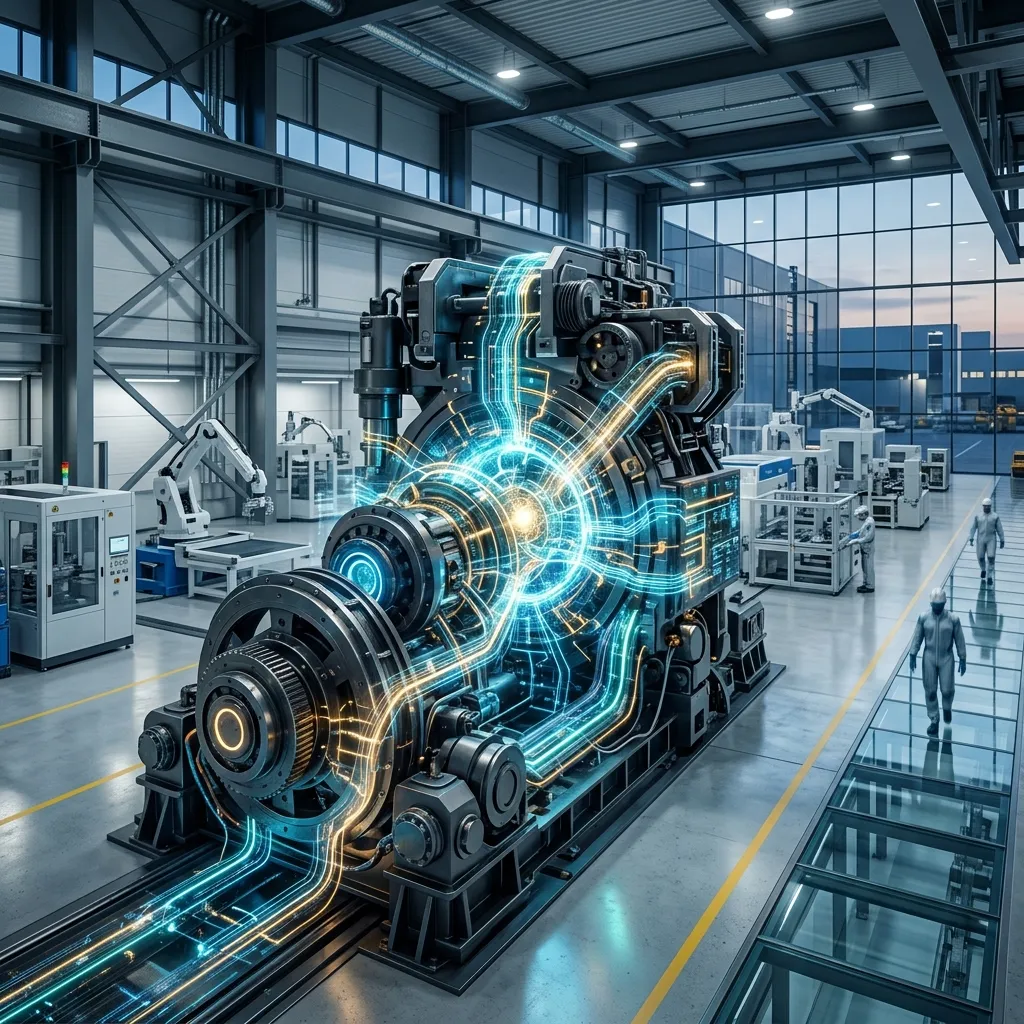
- IoT (Internet of Things): Smart factories, connected device ecosystems
- 5G Infrastructure: Ultra-fast connectivity, new digital experience opportunities
Practical Application Areas for Businesses
Generative AI is radically changing chatbot automation in customer service, A/B test content production in marketing, and prototyping processes in product design. AR technology can increase online sales conversion rates by up to 40% by offering virtual product experiences in sectors like furniture, fashion, and real estate.
Opportunities for Modern Enterprises
Strong industrial and manufacturing infrastructure provides an ideal ground for IoT and AI technologies. Manufacturers can lead in global competition with smart factory applications, automated quality control systems, and data-driven supply chain management. Digital transformation is no longer a luxury | it is a necessity.
Digital Transformation Tip
Start your digital transformation with small steps. Analyze your current processes, identify areas consuming the most time and resources, and begin automating those first. Follow a gradual and measurable strategy rather than trying to change everything at once.
Investment and Competitive Advantage
According to McKinsey research, companies that invest early in digital transformation grow at 2–3 times the industry average. While delaying technology investments might save money short-term, it seriously reduces competitiveness over time. Today's technology investment is tomorrow's competitive advantage.
The Concrete Business Impact of Generative AI
2025–2026 marks the period when Generative AI integration into business processes is accelerating. Chatbot automation in customer service, content production and personalization in marketing, document processing in accounting, and resume screening in HR are areas where AI tools are already widely deployed. Businesses that adopt these tools early produce 30–50% more output with the same headcount.
AR/VR: Bringing Physical Experience into E-Commerce
Augmented reality eliminates e-commerce's biggest disadvantage: trying before buying. IKEA's AR app for placing furniture in your space, and Warby Parker's virtual try-on for glasses, are pioneering examples. For e-commerce brands in furniture, home decor, cosmetics, and apparel, AR integration is becoming a significant competitive differentiator.
IoT: Smart Business Infrastructure
IoT sensors monitor production machinery performance in real time, predicting failures before they occur (predictive maintenance). Logistics vehicle and cargo tracking, smart shelf and inventory management in retail, and consumption optimization in energy are all concrete IoT application areas. For manufacturing industries, IoT-based predictive maintenance carries the potential to reduce unplanned downtime by 20–40%.
Web3 and Blockchain: Practical Business Applications
Beyond cryptocurrency speculation, blockchain technology generates real business value in supply chain transparency, digital contract management (smart contracts), product authenticity verification, and customer loyalty tokens. Businesses in logistics, food, and luxury goods sectors use blockchain to document every step of the supply chain, building both consumer trust and regulatory compliance.
5G: Business Models That Will Change
As 5G infrastructure becomes widespread, applications requiring ultra-low latency and high bandwidth become possible: remotely controlled factory robots, real-time video analysis, and enterprise AR/VR applications. As 5G licensing expands across global markets, these technologies will become accessible to SMEs in the 2026–2027 timeframe.
Quantum Computing: Distant but Prepare Now
Quantum computers can solve complex optimization problems | logistics routing, portfolio optimization, drug discovery | orders of magnitude faster than classical computers. Commercial use remains niche and expensive, but sector-specific applications will accelerate in the early 2030s. For cryptography, transitioning to quantum-resistant encryption standards should begin now.
Frequently Asked Questions
How can small businesses benefit from AI?
+
How much budget should I allocate to AI tools?
+
How is Web3 ensuring supply chain transparency?
+
Do quantum computers pose a threat to current cybersecurity?
+
How is Augmented Reality (AR) transforming e-commerce?
+
Request a digital strategy session to prepare for future technologies.
STRATEGY SESSIONAykut YILMAZ
Founder & Creative Director
Founder and Creative Director at Monolith Works. Specializes in B2B brand positioning, corporate identity architecture, and high-performance digital experiences.
RELATED POSTS


Publication Info
Keywords
Professional Support
Need professional help with this topic? The Monolith Works team is by your side.
GET IN TOUCH